

Cracks That Keep Spreading
Small cracks might seem harmless at first, but they are often the earliest sign of deeper structural issues. In Cape Coral’s climate, moisture quickly seeps into cracks during heavy rains. Once water penetrates the base layer, it weakens the foundation of the pavement.
Cracks that widen, branch out, or form interconnected patterns are especially concerning. These types of cracks allow more water intrusion and accelerate deterioration. If crack filling no longer holds or new cracks appear soon after repairs, resurfacing or full paving may be the smarter solution.
Potholes Creating Safety Hazards
Potholes are more than an inconvenience. They are a clear signal that the pavement structure has failed in certain areas. Potholes form when water enters cracks, erodes the base, and collapses under traffic weight.
In parking lots, potholes create tripping hazards for pedestrians and can damage vehicles. From a liability standpoint, ignoring potholes can expose property owners to claims or lawsuits. Frequent pothole repairs may indicate that the surface has reached the end of its useful life and needs complete paving instead of patchwork fixes.
Standing Water After Rain
After a Florida rainstorm, some water is expected. However, if puddles remain for hours or days, it points to drainage or grading problems. Standing water accelerates asphalt breakdown and can lead to cracks, raveling, and potholes.
Pooling water also reduces traction, increasing the risk of slips and falls. When drainage issues become widespread, repaving allows contractors to regrade the surface properly and restore effective water runoff.
Fading, Discoloration, and Surface Wear
A healthy parking lot has a consistent dark appearance. When asphalt turns gray, chalky, or blotchy, it signals oxidation. Sun exposure breaks down the oils that keep asphalt flexible, making it brittle and prone to cracking.
Surface wear may also show up as loose gravel, rough texture, or areas where the top layer has worn away. These conditions mean sealcoating alone may no longer be enough. Paving provides a fresh surface that restores durability and appearance.
Uneven or Sunken Areas
If parts of your parking lot appear lower than others, or vehicles feel a dip when driving across certain sections, the base beneath the asphalt may be failing. Uneven pavement often results from soil erosion, poor compaction, or water damage.
These depressions collect water and worsen over time. Spot repairs may temporarily address the issue, but when unevenness becomes widespread, a full paving project is often the most cost effective long term option.
Frequent Repairs Becoming Costly
Many property owners delay repaving by relying on repeated patching and crack sealing. While maintenance is important, there comes a point when ongoing repairs cost more than replacement.
To reduce long-term repair costs and improve pavement health, many homeowners and businesses invest in Parking Lot Paving Cape Coral as part of routine maintenance. When you find yourself scheduling repairs every year or dealing with recurring issues in the same areas, it is a strong sign that paving will provide better value and performance.
Poor Curb Appeal Affecting Your Property Image
Your parking lot is one of the first things customers, tenants, and visitors see. Cracked pavement, faded lines, and patchy repairs can make even a well maintained building look neglected.
In competitive markets like Cape Coral, appearance matters. A newly paved parking lot enhances curb appeal, improves striping visibility, and signals professionalism. Businesses often notice increased customer confidence and improved tenant satisfaction after upgrading their pavement.
Faded or Confusing Striping and Markings
Parking lines, arrows, and accessibility markings are essential for safety and organization. Over time, striping fades due to traffic and sun exposure. When markings become difficult to see, it increases the risk of accidents and ADA compliance issues.
While restriping can help, it is only effective on a sound surface. If the pavement underneath is cracked or deteriorating, new paint will not last. Paving creates a smooth, stable base for long lasting markings.
Drainage Issues Near Buildings and Walkways
Poor pavement conditions can redirect water toward buildings, sidewalks, and landscaped areas. This can lead to erosion, foundation concerns, and water intrusion issues.
Repaving allows contractors to correct slopes and ensure water flows away from structures. Many property owners work with experienced professionals, sometimes coordinating with a trusted naples paving company, to address both paving and drainage needs in one project.
Age of the Parking Lot
Even with proper care, asphalt parking lots have a limited lifespan. In Florida, exposure to heat, UV rays, and heavy rain can shorten that lifespan. If your parking lot is more than 15 to 20 years old and showing multiple signs of distress, paving is often the most practical solution.
An inspection by a qualified contractor can confirm whether resurfacing or full replacement is the right approach based on the condition of the base and existing asphalt.
Choosing the Right Time to Pave
Timing matters when it comes to paving. Planning ahead allows you to minimize disruption to tenants or customers and take advantage of favorable weather conditions. Addressing issues early also prevents minor problems from escalating into major failures.
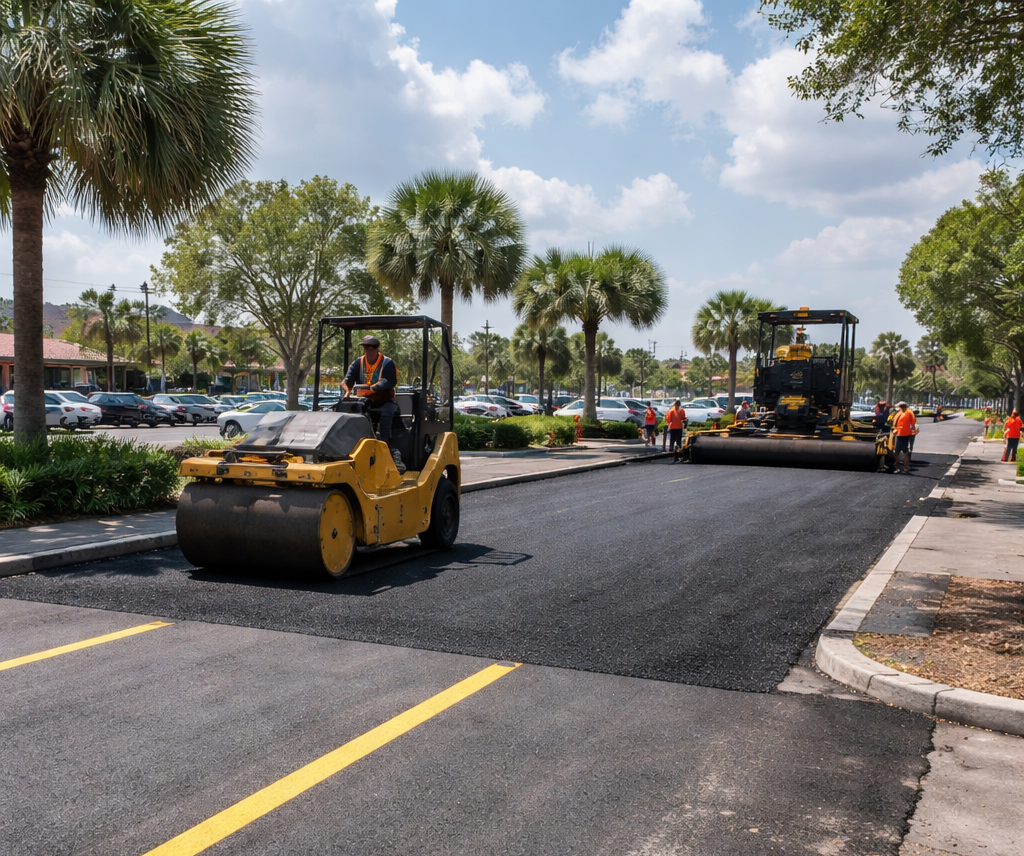
Professional Parking Lot Paving Cape Coral services can assess your lot, explain your options, and create a plan that fits your budget and usage needs. Investing at the right time protects your property and ensures a safer, more attractive environment for everyone who uses it.
Frequently Asked Questions
How do I know if my parking lot needs paving or just repairs?
If damage is isolated and the base is still strong, repairs may be sufficient. When cracks, potholes, and drainage issues are widespread or recurring, paving is usually the better long term solution.
How long does parking lot paving typically last in Cape Coral?
With proper installation and routine maintenance, a newly paved parking lot can last 15 to 20 years, depending on traffic levels and environmental conditions.
Will paving disrupt my business operations?
Most contractors work in phases to minimize disruption. Scheduling during off peak hours or slower seasons can further reduce inconvenience.
Is sealcoating an alternative to paving?
Sealcoating is a preventive maintenance step that protects healthy asphalt. It cannot restore structural integrity once the pavement has significantly deteriorated.
How soon can vehicles use a newly paved parking lot?
Light traffic is often allowed within 24 to 48 hours, but full curing can take several days. Your contractor will provide specific guidance based on the project.