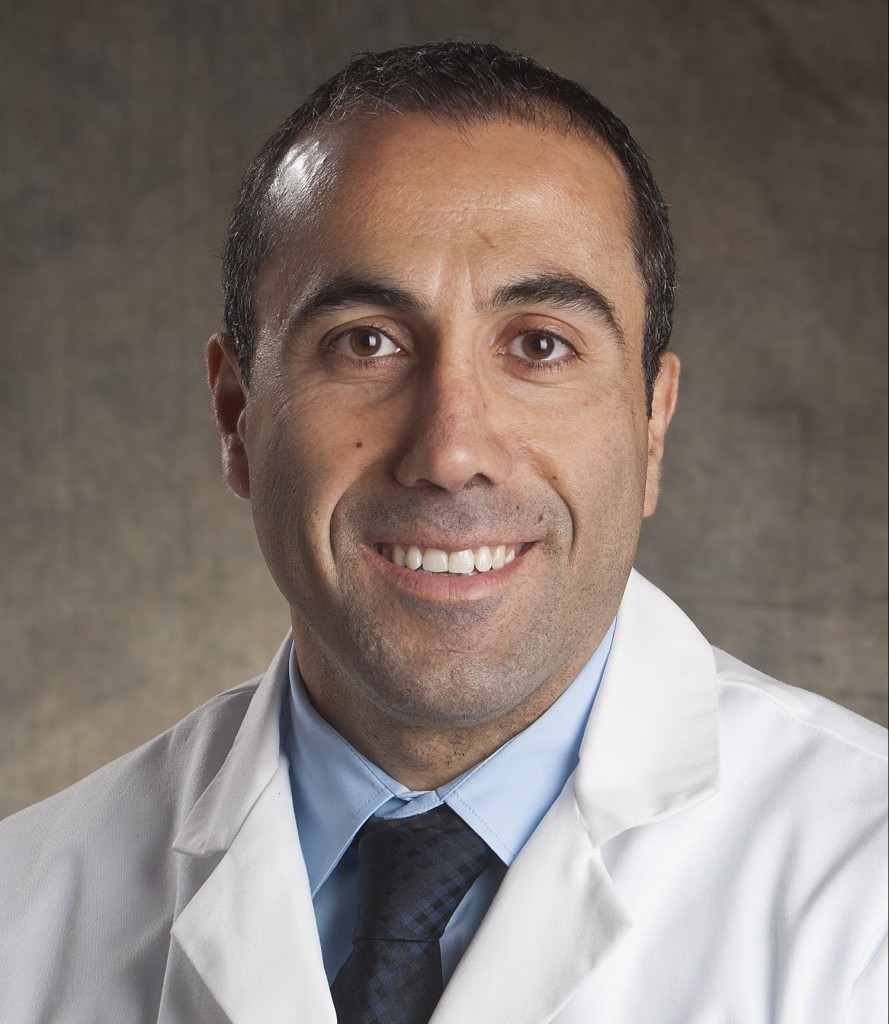

Dr. Michel Alkhalil is a physician board-certified in Sleep Medicine and Allergy & Immunology. As Medical Director of AAIRS Clinic and Troy Sleep Center, he oversees a multi-specialty practice serving patients in Oakland and Macomb counties. Its sleep services hold accreditation from the American Academy of Sleep Medicine (AASM).
Obstructive sleep apnea, insomnia and hypersomnia are among the conditions addressed in sleep medicine. Each affects sleep in a different way, and each can have consequences that extend beyond the night. This article explains what these conditions are and why accurate diagnosis matters. Understanding their differences provides context for discussing both nighttime symptoms and the difficulties a patient may experience during the day.
The sleep practice directed by Dr. Michel Alkhalil operates under AASM accreditation, reflecting adherence to established clinical standards in sleep disorder diagnosis and treatment. Diagnosis and treatment are central to the clinic’s approach to patient care.
Sleep disorders can share overlapping symptoms. Daytime fatigue, for example, may result from interrupted breathing, from difficulty sleeping or from an underlying condition that causes excessive sleepiness. Distinguishing between these possibilities is the first step toward appropriate care. The symptom alone does not identify its cause, so its timing and relationship to sleep are relevant to assessment.
Obstructive Sleep Apnea
Obstructive sleep apnea involves repeated narrowing or collapse of the upper airway during sleep. These episodes interrupt breathing and disrupt sleep, often many times a night, even when the person affected is not aware of waking. The condition concerns airflow during sleep, which helps explain why observations made at night can be relevant alongside daytime symptoms.
Common signs include loud snoring, observed pauses in breathing, gasping or choking during sleep, morning headaches and daytime sleepiness. A bed partner is often the first to notice the nighttime symptoms.
Why Sleep Apnea Warrants Attention
Untreated obstructive sleep apnea is associated with downstream health consequences, including effects on cardiovascular health. It can also affect concentration, mood and daytime safety. These associations are part of why evaluation is recommended when symptoms are present.
Insomnia
Insomnia involves persistent difficulty falling asleep, staying asleep or waking earlier than intended despite sufficient opportunity to sleep, along with effects on daytime function. It can be short-term, linked to a particular period of stress, or it can persist over a longer period.
Insomnia often has more than one contributing factor. Sleep habits, stress, other medical conditions, medications and other sleep disorders can all play a role. Identifying those factors helps guide an appropriate management approach. The assessment considers the pattern of sleep difficulty as well as the circumstances in which it began or continues.
Hypersomnia
Hypersomnia refers to excessive daytime sleepiness. People with hypersomnia may find it difficult to stay awake during the day or may feel unrefreshed after sleeping.
Several conditions can cause hypersomnia, and other sleep disorders, including sleep apnea, can produce similar symptoms. Careful evaluation is needed to determine the underlying cause. Describing when sleepiness occurs and how it affects daily activities can help explain the concern during a clinical consultation.
Why Accurate Diagnosis Comes First
Dr. Michel Alkhalil’s board certification in Sleep Medicine reflects specialist training in distinguishing between these conditions. His fellowship training at Drexel University College of Medicine, Hahnemann University Hospital and St. Christopher’s Hospital for Children encompassed both pediatric and adult populations.
Overlapping symptoms require assessment of the conditions that may be contributing to the patient’s concern. Evaluation typically begins with a detailed clinical history and may include sleep testing where appropriate. The aim is to identify the specific disorder, or combination of disorders, involved. Information about sleep patterns, daytime functioning and other health concerns helps place the reported symptoms in a clinical context.
Where Sleep and Breathing Overlap
The multi-specialty care overseen by Dr. Michel Alkhalil includes allergy and pulmonology services alongside sleep medicine. Respiratory conditions and allergic disease can intersect with sleep-disordered breathing, and having related specialties within one practice supports coordinated evaluation.
A patient with nasal congestion from allergies, for instance, may experience effects on breathing during sleep. Considering these connections together can provide a fuller picture than evaluating each concern in isolation.
Seeking Evaluation in Oakland and Macomb Counties
Dr. Michel Alkhalil’s role as Medical Director of AAIRS Clinic and Troy Sleep Center places sleep, allergy and pulmonology services within one practice for patients in Oakland and Macomb counties. Anyone experiencing persistent snoring, difficulty sleeping or excessive daytime sleepiness should discuss these symptoms with a qualified physician.
Recognizing that a sleep concern may be a medical condition, rather than simply a matter of habit, is a useful starting point. A clinical discussion can help clarify the symptoms and their relationship to nighttime sleep and daytime functioning.
About Dr. Michel Alkhalil
Dr. Michel Alkhalil’s work in sleep medicine and allergy and immunology serves patients in Oakland and Macomb counties through AAIRS Clinic and Troy Sleep Center, where he is Medical Director. He is board-certified in Sleep Medicine and Allergy & Immunology. He completed residency at St. Joseph Mercy Oakland Hospital, sleep medicine fellowship training covering pediatric and adult populations, and an Allergy & Immunology fellowship at the University of South Florida. The practice’s sleep services hold AASM accreditation, and he has received multiple Top Doc recognitions, including Hour Detroit’s Top Docs list.